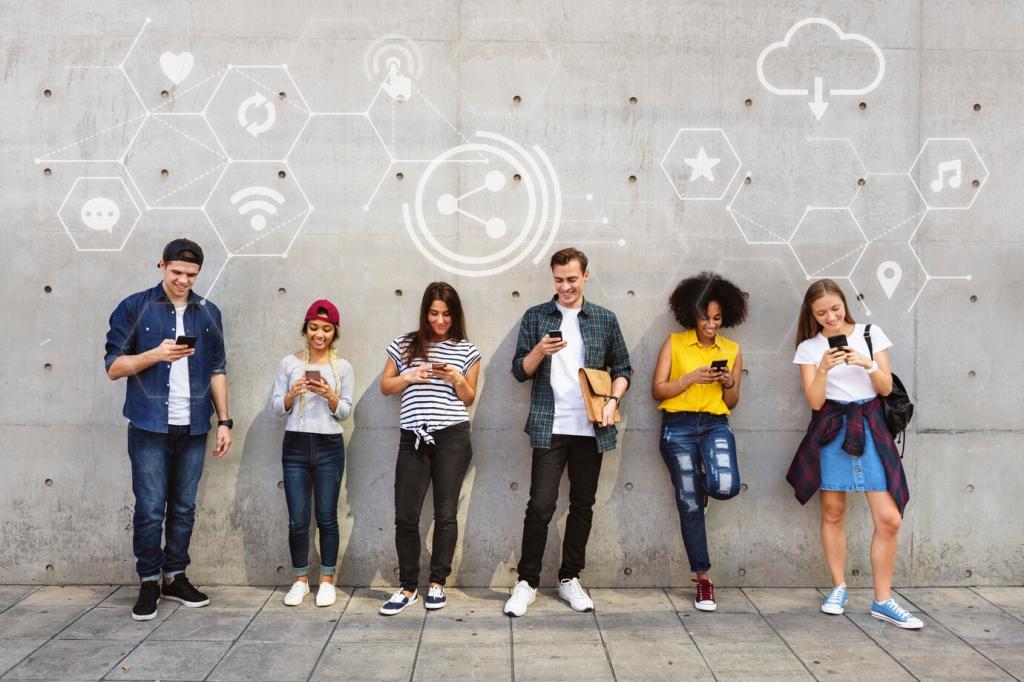
Analyzing the Shift in Social Ethics Due to Digital Market Trends
Chosen theme: Analyzing the Shift in Social Ethics Due to Digital Market Trends. Welcome—let’s explore how clicks, carts, and algorithms are quietly rewriting our moral expectations. Read on, share your perspective, and subscribe to follow this evolving conversation about values in the digital marketplace.
One-click flows delight, yet they often bury crucial details about returns, data use, and sourcing. The moral tradeoff is subtle: reduced friction can reduce reflection. Do we value autonomy if we outsource thinking to defaults? Comment with a moment you wished you’d paused.



The Invisible Hands Behind the Package
Pickers, packers, drivers, and moderators carry the weight of our impatience. Metrics track minutes, not meaning. When we choose fastest shipping, we vote with expectations. Would you accept slower delivery for safer conditions? Share your threshold for ethical wait times.
Ratings, Reputations, and Bias
Five stars can be a lifeline—or a trap. Gig workers are disciplined by scores that reflect customer mood, not just performance. Bias creeps in quietly, shaping shifts and pay. What accountability tools could make ratings fairer without silencing real feedback?
Organizing in Digital Workplaces
Chats, forums, and encrypted groups now knit worker solidarity across cities. New unions and cooperatives experiment with equitable splits and algorithm audits. When workers gain voice, marketplaces gain resilience. Would you switch to a platform that certifies fair labor by default?
Sustainability Signals in E‑Commerce
Footprint labels promise clarity, yet methodologies vary wildly. Without standardized audits, consumers shoulder detective work. True ethics require comparability, not just claims. Which certifications deserve your trust, and what proof would convert skepticism into loyalty?
Refurbished stores and peer-to-peer exchanges normalize longevity over novelty. When platforms guarantee parts and warranties, ethics becomes practical, not preachy. The market trend is clear: durability sells stories, not just goods. Share your best circular find and why it felt meaningful.
I swapped a new phone for a certified refurbished model and tracked satisfaction for six months. Performance matched, cost dropped, guilt softened. The real win was psychological: choosing enough over more. Would you try a refurbished route if return windows were generous?
Youth, Identity, and the Marketplace of Values
Smaller creators cultivate trust through lived ethics: transparent sponsorships, fair-brand shoutouts, and product repair tutorials. Their recommendations feel like advice, not ads. When influence aligns with integrity, social ethics scale. Who helps you shop your values without preaching?
Skins, badges, and digital collectibles now carry ethical narratives—charity tie-ins, eco-partnerships, and inclusive designs. Even intangible items can signal belonging and belief. Are these sincere or symbolic? Tell us what would make digital ownership feel ethically substantial to you.
Schools and families are weaving digital literacy with market literacy: sourcing checks, privacy choices, and return ethics. When reflection becomes routine, shopping becomes civic practice. What simple checklist would you give a teen making their first big online purchase?